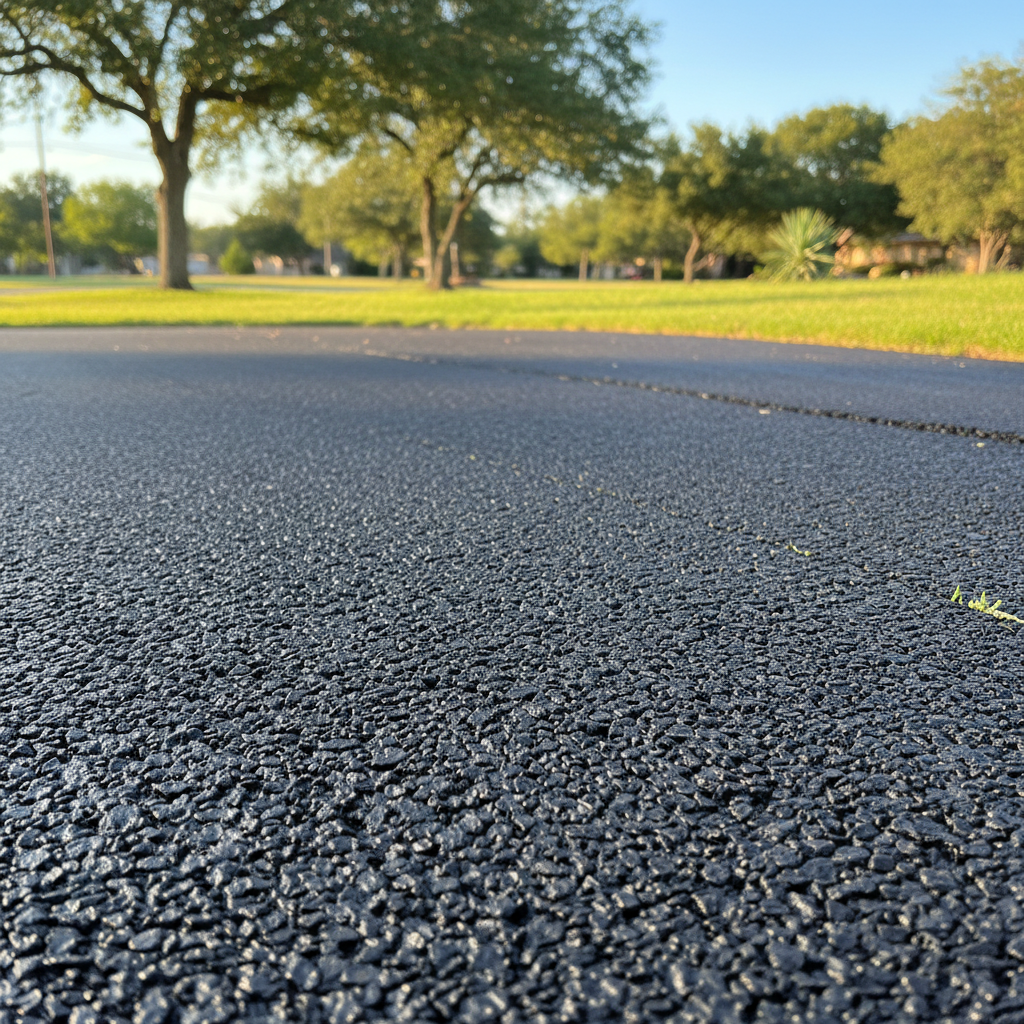
Your asphalt driveway really takes a beating, especially here in Dallas. We've got those scorching summers, and then, every now and then, those crazy freeze-thaw cycles. It's more than just a slab of blacktop, you know? It's a big part of your home's curb appeal and how well things work. So, when it starts looking a little tired, you've got a choice: grab some tools, or pick up the phone?
Before the Project: Planning Your Asphalt Work
First things first, figure out what you're actually up against. Is it just a small crack? A pothole? Or does the whole thing look like a jigsaw puzzle? This initial check-up is super important for deciding what to do next.
- Small cracks (1/4 inch or less): These are usually just on the surface, and honestly, you can probably handle them yourself. Think of it as preventative maintenance — stopping water from sneaking underneath and causing bigger headaches.
- Larger cracks, potholes, or widespread alligator cracking: Once you start seeing these bigger structural problems, a simple DIY fix probably won't cut it. Often, this means the base layer is messed up, and that's when things get complicated, fast.
- New driveway or full replacement: This is absolutely not a DIY job. Putting in a brand-new asphalt driveway or completely replacing an old one involves heavy machinery, very specific paving methods, and a ton of expertise. Seriously, don't even think about it unless you're a professional paver yourself.
Before any work kicks off, you'll want to consider drainage. Water is asphalt's arch-nemesis. If your driveway always has standing puddles, that's a problem that needs fixing, whether you're just patching things up or doing a full re-do. Good drainage stops future issues, plain and simple.
During the Project: What You Can Do, What You Can't
DIY Asphalt Repairs: The Basics
For those little cracks, you can definitely tackle them. You'll need a wire brush to clean out the crack, some good quality pourable crack filler (make sure it's made for asphalt and flexible enough for our Texas heat), and maybe a squeegee to smooth it out. Just follow the product directions carefully. For small potholes, you can grab some cold patch asphalt. Clean out the hole, tamp down the base, fill it with the cold patch, and then compact it really well. You can use a hand tamper or even just drive your car over it a few times. It's a temporary fix, but it'll get you by for a while.
When to Call Absolute Asphalt Paving
Anything beyond those easy fixes? That's when you give us a call. Here's why:
- Extensive cracking or crumbling: If your driveway looks like a spiderweb or is breaking apart in big chunks, the problem isn't just on the surface. The sub-base is likely failing, and that means proper excavation, grading, and a whole new layer of asphalt.
- Drainage issues: If water consistently pools, you might need regrading or even a new drainage system put in. This isn't just about pouring asphalt; it's more like civil engineering.
- New installation or overlay: Laying a new asphalt surface, whether it's a fresh driveway or an overlay on an existing one, needs specialized equipment. We're talking pavers, rollers, and skilled operators. It involves tons of hot asphalt, precise temperatures, and compaction. You can't rent a paver at Home Depot, and even if you could, you wouldn't know how to use it right, would you? We've seen plenty of DIY attempts turn into lumpy, uneven messes that ended up costing more to fix than if they'd just called us first.
- Permits and regulations: For bigger projects, especially if you're changing the grade or connecting to city property, you might need permits. We handle all that stuff.
We've worked on driveways all over Dallas, from the sprawling estates in Preston Hollow to the tighter lots in Lake Highlands. The soil here, especially that expansive clay, can be tricky. It moves, it swells when wet, and it shrinks when dry, which can really mess with a poorly built asphalt base. We know how to construct a driveway that can stand up to it.
After the Project: Maintaining Your Investment
Whether you did a small patch or had Absolute Asphalt Paving lay down a brand new surface, maintenance is crucial. Keep it clean: sweep off leaves and dirt regularly. Don't let oil or gas spills sit; clean them up quickly to prevent damage. For new asphalt, give it time to cure before heavy use — usually a few days to a week, depending on the weather.
Sealcoating is another big one. For DIYers, you can buy sealcoat at hardware stores. It's a messy job, but it's doable for smaller driveways. You'll need to clean the surface thoroughly, fill any cracks, and then apply the sealcoat evenly with a squeegee or roller. It protects the asphalt from UV rays, water, and chemicals, extending its life significantly. I usually recommend sealcoating every 2-3 years, especially with our intense Dallas sun. Keep an eye on those small cracks and fill them as they pop up. It's way cheaper to fix a small crack than to replace a whole section of your driveway.
Ultimately, your driveway is an investment. Take care of it, and it'll take care of you. Know your limits, and don't be afraid to call in the pros when the job gets bigger than your weekend warrior skills. We're here to help when you need us.