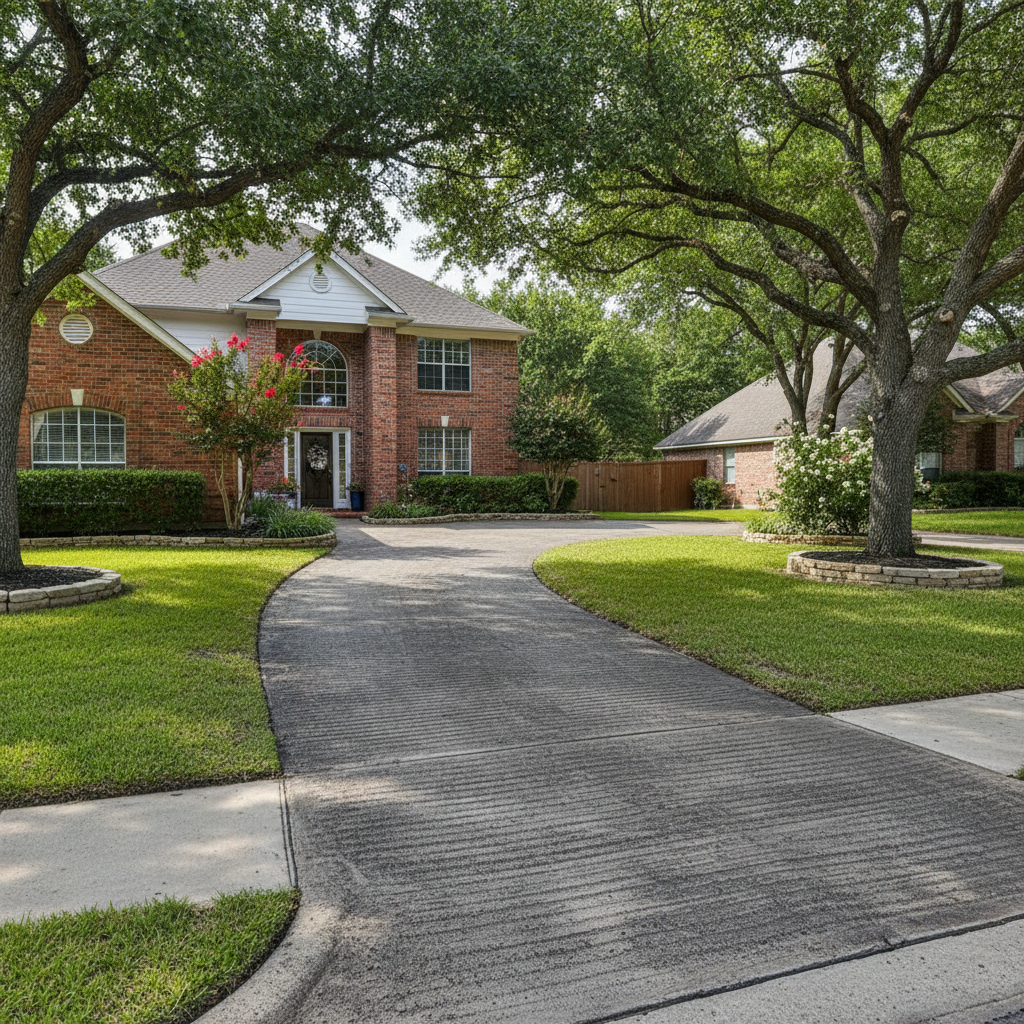
Alright, let's talk about asphalt milling for your home driveway right here in Dallas. It's a smart move for driveways that are really showing their age – maybe they've got some serious cracking, deep ruts, or just aren't draining right. But here's the kicker: the base underneath still needs to be solid. Instead of tearing everything out, milling just shaves off the top layer of asphalt, getting it ready for a brand-new surface. It's efficient, it saves you money, and it's good for the environment too, since we can often recycle that old asphalt.
But here's the deal: you can't just mill anytime. Our Dallas weather throws some curveballs, and timing your milling project right makes a huge difference in how well the work goes and, honestly, how long your new surface lasts.
When's the Best Time to Mill in Dallas?
Honestly, the sweet spot for asphalt milling and then paving in Dallas is usually spring or fall. Why? Because you need a good stretch of moderate weather. Not too hot, not too cold. Here's what I look for:
- Spring (March to May): This is prime time. You've got warming temperatures, but it's not scorching yet. The ground isn't frozen solid, and we usually get some pretty consistent weather patterns. This means the milled surface can be properly prepped, and the new asphalt cures evenly without extreme heat causing issues or cold slowing things down too much.
- Fall (September to November): Another excellent window. The summer heat is finally backing off, and we're heading into milder conditions. Again, consistent temperatures are key for a good bond and proper compaction of that new asphalt layer.
What you really want to avoid is the dead of summer or the middle of winter. Trying to mill and pave when it's 100 degrees out means the asphalt cools way too fast, making it harder to compact properly. And in winter, if it's too cold, the asphalt won't compact well either, and you risk issues with the binder setting up right. Plus, working on a frozen base? That's just asking for trouble down the line, believe me.
Weather Conditions That Affect Milling
It's not just about the season; it's about the day-to-day conditions. When we're milling, we're essentially creating a fresh, exposed surface that needs to be ready for new asphalt. Here's what we're keeping an eye on:
- Temperature: I already touched on this, but it's crucial. We're looking for ambient temperatures generally above 50°F and below 90°F for optimal work. This lets the milling machine cut cleanly and the paving crew lay and compact the new asphalt effectively.
- Moisture: This is a big one. You absolutely cannot mill or pave on a wet surface or when rain is expected. Milling creates a porous surface, and if water gets trapped in the base or between layers, you're setting yourself up for premature failure, potholes, and cracking. We need dry conditions, both during the milling and for a good while afterward if we're not paving immediately.
- Wind: Strong winds can cool the asphalt too quickly during paving, which can affect compaction. It's not usually a deal-breaker for milling itself, but it's something we consider for the whole project.
Sometimes, living in Dallas, we get those crazy temperature swings. A cold front can blow in fast, or we'll get a surprise thunderstorm. That's why I always build a little flexibility into the schedule and keep a close eye on the forecast. You don't want to rush a job just to beat the weather; that's when mistakes happen.
Protecting Your Investment Year-Round
Once you've got that fresh, milled, and paved driveway, you want it to last. Here's how you protect that investment:
- Sealcoating: This is your first line of defense. About 6-12 months after your new asphalt is laid, you'll want to get it sealcoated. This protects against UV rays, water penetration, and chemical spills. I usually recommend sealcoating every 2-3 years, depending on traffic and sun exposure. It's like sunscreen for your driveway.
- Drainage: Make sure water is moving off your driveway, not pooling on it. If you've got standing water, that's a problem waiting to happen. Our soil here in Dallas, especially that expansive clay, can be tricky. Good drainage prevents water from seeping into the sub-base and causing instability.
- Repair Small Issues Promptly: Don't let a small crack turn into a big pothole. If you see minor cracks forming, get them filled. Catching these early saves you money and extends the life of your driveway significantly.
- Keep it Clean: Sweep off debris, leaves, and dirt regularly. This prevents organic matter from breaking down on the surface and holding moisture. Also, clean up any oil or chemical spills right away; asphalt isn't a fan of petroleum products.
- Avoid Heavy Loads: Try not to park exceptionally heavy vehicles (like RVs or commercial trucks) on your residential driveway for extended periods. It can cause rutting and damage over time, especially in the heat.
Milling is a fantastic way to rejuvenate an aging driveway without the full cost of a complete tear-out. But like any good construction project, it's all about planning and timing. Here at Absolute Asphalt Paving, we've seen firsthand how much a well-timed, properly executed milling project can transform a property. If you're thinking about it, give us a call, and we can look at your specific situation and figure out the best plan for your Dallas home.