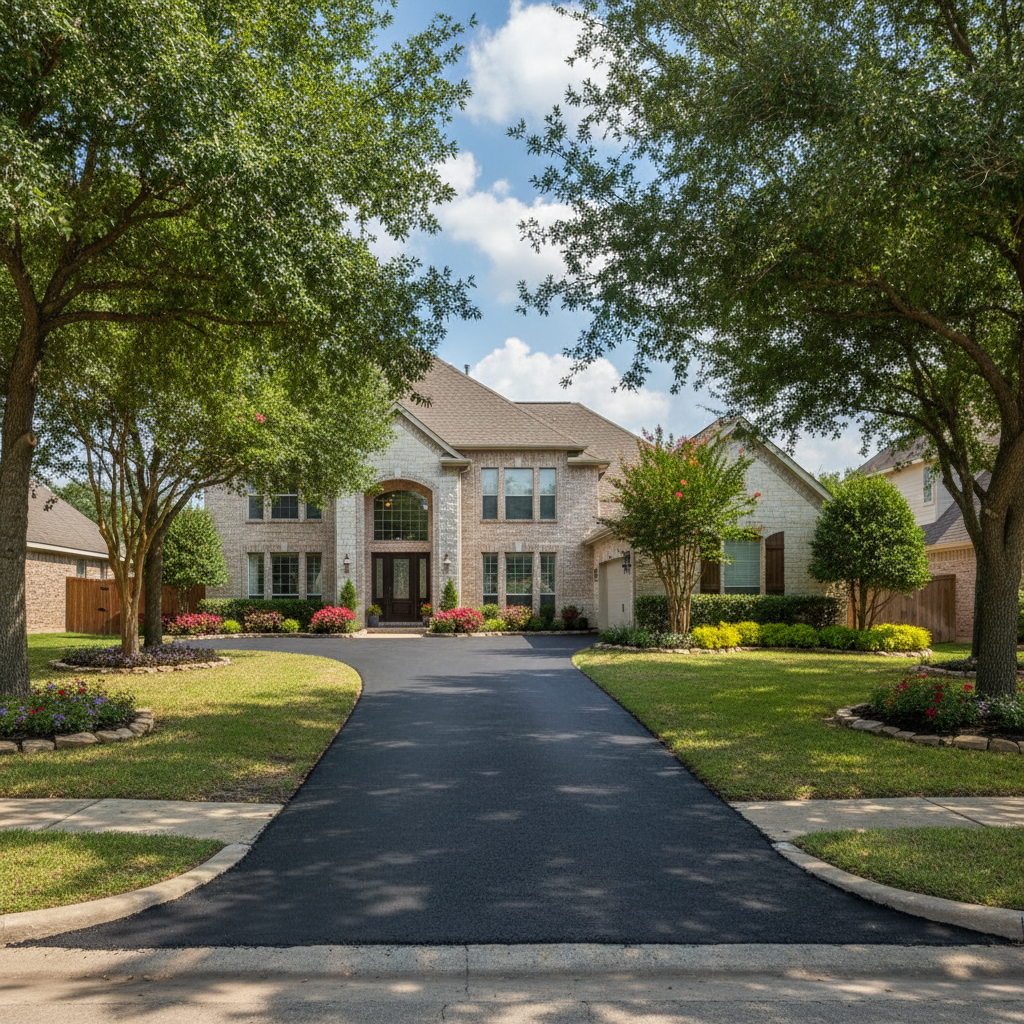
Dallas Driveways: Timing Your Asphalt Work for Texas Weather
So, you've got a driveway that needs some love, or maybe you're putting in a brand new one. The question I hear constantly is, "When's the absolute best time to do this?" And here in Dallas, that's not a simple answer, not by a long shot. Our Texas weather can be a real beast, and it plays a massive role in how long your asphalt will actually last.
Just think about it for a second. Asphalt is basically a mix of aggregate and a binder, which is really just liquid asphalt cement. It needs very specific conditions to cure right and bond together properly. If you mess that up, you're looking at cracks, early wear, and a whole lot of headaches down the road. We've seen it happen too many times when folks try to rush a job or just pick the wrong season.
When to Schedule Your Asphalt Project in Dallas
For paving new driveways or tackling a big resurfacing job, you're really hunting for a sweet spot. Here's what I always tell my clients:
- Spring (March to May): This is prime time, no doubt about it. The ground has usually thawed out from any colder snaps we might have had, but we haven't yet hit that brutal summer heat. Daytime temperatures consistently hover in that 60-85°F range, which is perfect for laying and compacting asphalt. You'll get good workability and a really solid cure. Plus, we usually get some rain, but not the kind of torrential downpours that can totally wash out a job site.
- Fall (September to November): Another excellent window opens up then. The summer heat finally starts to back off, and the ground is still warm enough for good adhesion. Again, you're looking for those consistent, moderate temperatures. You definitely want to get the work done before the real cold sets in, because paving when it's too chilly can cause problems with compaction, making the asphalt brittle.
What about summer and winter? Honestly, I try to avoid them for major projects unless there's absolutely no other choice. Paving in the dead of summer, when it's 100°F outside, means the asphalt cools way too quickly. That makes it tough to compact properly, which leads to a weaker surface. Winter, especially if we get a freeze, is even worse. The ground could be frozen solid, and those cold temperatures stop the asphalt from binding correctly. You'll just end up with a driveway that won't hold up.
Weather Conditions That Affect Asphalt Work
It's not just the temperature, though that's a huge factor. Here are a few other things we're always keeping an eye on:
- Rain: You simply cannot pave in the rain. Asphalt needs a dry surface to bond. Even a little bit of moisture can mess with the adhesion and cause early failure. If rain's in the forecast, we're rescheduling. Period.
- Ground Temperature: This is just as crucial as the air temperature. If the ground is too cold, it'll suck the heat right out of the asphalt mix too fast, making it hard to work with and compact correctly. That's why those shoulder seasons are so good — the ground has had plenty of time to warm up or cool down naturally.
- Humidity: While not quite as critical as rain or temperature, extremely high humidity can sometimes affect the curing process, especially with certain sealants or emulsions.
Dallas's clay soil, particularly that Blackland Prairie stuff we have around here, also plays a big role. It expands and contracts a lot with changes in moisture. If you're not laying asphalt on a properly prepared, stable base, that movement can cause problems no matter how good the asphalt job itself is. That's why proper excavation and base preparation are non-negotiable for us at Absolute Asphalt Paving.
Protecting Your Investment Year-Round
Once you've got that beautiful new or revitalized driveway, you want it to last, right? Here's how you protect it, no matter the season:
- Sealcoating: This is your first line of defense. A good sealcoat every 2-3 years, depending on how much traffic it sees and how much sun it gets, protects the asphalt from UV rays, water penetration, and oil spills. Think of it as sunscreen for your driveway.
- Crack Filling: See a crack? Fill it. Don't wait. Water is asphalt's worst enemy, truly. It gets into those cracks, freezes and expands in winter, and then washes away the sub-base during summer downpours. Filling cracks quickly stops small problems from turning into huge, expensive ones.
- Drainage: Make absolutely sure water drains away from your driveway, not onto it or pooling on it. Proper grading is essential. If you've got puddles forming after a rain, that's a big red flag.
- Limit Heavy Loads: Try not to park heavy RVs or commercial vehicles on your residential driveway for long periods. Asphalt is flexible, but it does have its limits.
- Clean Up Spills: Oil, gas, and other chemicals can break down asphalt over time. Clean them up quickly.
Taking care of your asphalt isn't just about getting it paved right; it's about ongoing maintenance. A little bit of attention goes a long way in extending the life of your driveway and keeping it looking good. If you're wondering about the best time for your specific project, or you've got some cracks you need me to look at, just give us a shout. We're always happy to talk you through it.