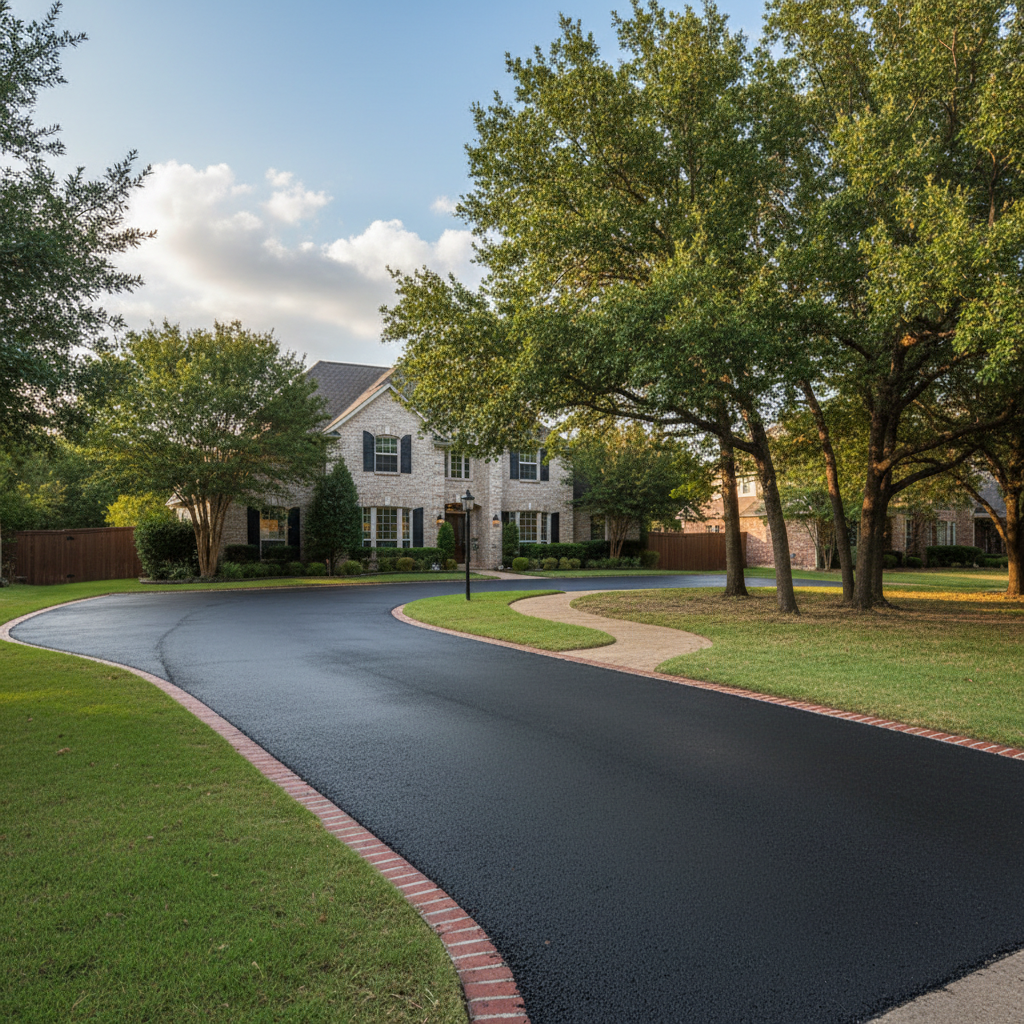
Planning Your Dallas Asphalt Project: What to Expect
So, you're thinking about getting some asphalt paving done at your place here in Dallas. Maybe it's a brand new driveway, or you're expanding an old one, or perhaps you just need a small parking pad. That's a smart move, really; a well-done asphalt surface boosts your home's curb appeal and can last a good long time, provided it's installed correctly. But hold on a second before you jump right in. There's a fair bit of planning you'll want to do. It's not just about picking a contractor and signing on the dotted line, you know. You've really got to think through the whole process.
The Project Timeline: Don't Rush It
Let's talk about the timeline first. Folks often call me up, wanting a new driveway by next week. That's usually not how it works, especially if you're aiming for a quality job. Here’s a more realistic breakdown:
- Initial Contact & Site Visit (1-2 weeks): You'll probably call a few contractors, like us at Absolute Asphalt Paving. We'll set up a time to come out, check out your property, measure things, and chat about what you're hoping for. This isn't just about giving you a number; it's about understanding your specific needs and really looking at the site.
- Getting Quotes (1-3 weeks): Once we've visited, we'll put together a detailed quote for you. You should definitely get a few of these. And hey, don't just pick the cheapest one; compare what each quote actually includes.
- Decision & Scheduling (1-2 weeks): After you've picked your contractor, you'll sign a contract and get put on their schedule. Good contractors often have bookings a few weeks out, sometimes even a month or two, especially during our peak season here in Texas (that's spring and fall, by the way).
- Permits (If Needed - 2-4 weeks or more): For most residential driveways, you probably won't need a city permit. That's unless you're changing drainage a lot or connecting to a public street in a specific way. But if your project is bigger or more complicated, do check with the City of Dallas permitting office. This step can seriously add to your wait time.
- Actual Construction (2 days to 1 week): This is the exciting part! For a typical residential driveway, the actual paving work usually takes 1-3 days. Bigger projects, like a larger parking area, might take a bit longer. This timeframe covers everything: excavation, getting the base ready, and laying the asphalt.
- Curing Time (1-7 days before light use): Once the asphalt is down, it needs to cure. You can't just drive on it right away. We'll give you exact instructions, but generally, plan on staying off it for a few days, and keep heavy vehicles away for a week or two.
So, from that first phone call until you're driving on your new asphalt, you're realistically looking at anywhere from 4 to 12 weeks. It really depends on the project's size and how busy contractors are at the moment. Don't let anyone tell you they can do a full, quality job tomorrow.
What to Expect During the Process
When the crew shows up, here's a rundown of what's going to happen:
- Demolition and Excavation: If there's an old surface, we'll tear it out. Then we'll dig out the area to the correct depth. Heads up: this can get pretty noisy and dusty.
- Grading and Base Preparation: This step is super important. We'll grade the area so water drains properly, away from your house. Then we'll put down and compact a strong base layer, usually crushed rock. A solid base is key to stopping future cracking and sinking, especially with our expansive Dallas clay soils.
- Asphalt Paving: We'll bring in the hot asphalt mix and spread it with special equipment. It's hot, it smells, and it's a very precise job. We'll compact it thoroughly to make sure it's dense and smooth.
- Cleanup: Once the paving is finished, we'll clean up the site, removing any debris and leaving things tidy.
You'll see a lot of heavy equipment, hear some noise, and there will be trucks coming and going. For a few days, it's basically a construction site, so plan for that. And please, keep kids and pets away from the work area for their safety.
How to Prepare Your Property
Before the crew arrives, you can do a few things to help make the process go smoother:
- Clear the Area: Move any cars, boats, trailers, trash cans, planters, or anything else off the spot where we'll be paving and away from the immediate work zone.
- Mark Sprinkler Heads/Underground Utilities: If you've got an irrigation system, mark your sprinkler heads clearly. And if you know about any shallow utility lines (like landscape lighting cables), let your contractor know. We'll call 811 for main utility locates, but those private lines? Those are your responsibility.
- Trim Trees/Bushes: If you have low-hanging branches or overgrown bushes that might get in the way of equipment, give them a trim.
- Inform Neighbors: Give your neighbors a heads-up about the work. There will be noise, and possibly some temporary access issues. A little warning goes a long way, doesn't it?
- Plan for Access: You won't be able to use your driveway during the work and for a few days afterward. So, figure out where you'll park your cars.
Questions to Ask Before Signing That Contract
This is where you protect yourself and make sure you're getting a good job. Don't be shy about asking:
- What's your full company name and license/insurance info? Make sure they're legitimate and properly insured.
- Can you provide references? Ask for a few recent residential jobs you can drive by and look at.
- What's included in the price? Get a detailed breakdown. Does it cover excavation, base material, asphalt thickness, compaction, and cleanup? Are there any hidden fees?
- What type and thickness of base material will you use? A good base is absolutely critical, especially with our Dallas weather that can swing from drought to torrential rain.
- How thick will the asphalt layer be? For residential driveways, you generally want at least 2-3 inches of compacted asphalt.
- What kind of warranty do you offer? A reputable contractor will stand behind their work.
- What's your estimated timeline for the project? Get a clear idea of when they can start and how long it'll take.
- How do you handle drainage? Proper grading and drainage are essential to stop water from pooling and causing damage.
- What's your payment schedule? Be wary of anyone asking for 100% upfront. A reasonable deposit is fine, with the rest due once you're happy with the completed work.
- Who will be supervising the crew on-site? You want a knowledgeable person overseeing the work, right?
Asking these questions will really help you sort out the pros from the fly-by-nighters. A good contractor, like Absolute Asphalt Paving, will be happy to answer all of them clearly and patiently. We want you to feel confident in your investment.
Getting a new asphalt surface is a big project, but with a little planning and the right contractor, you'll end up with a beautiful, durable surface that'll serve you well for years to come. Do your homework, ask the tough questions, and you'll be all set.