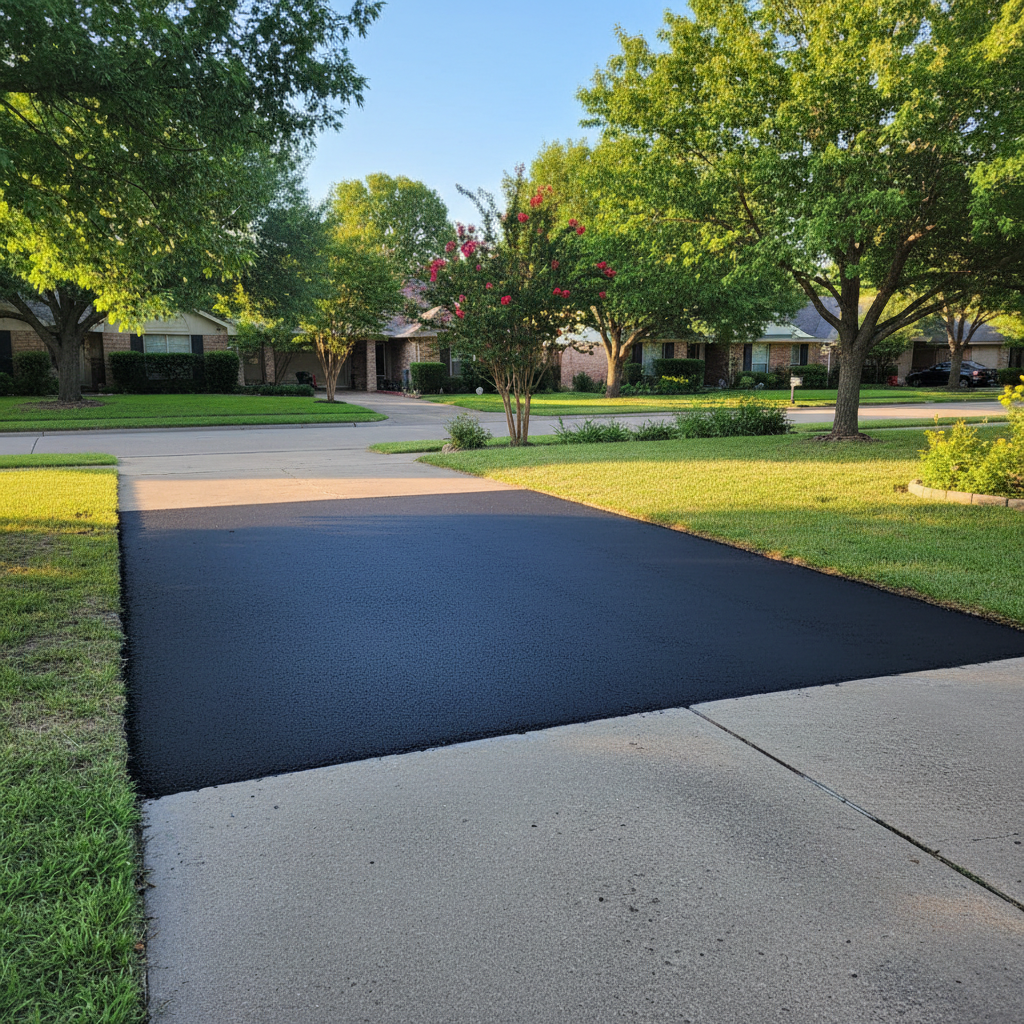
Patching asphalt looks pretty simple on the surface, right? You spot a pothole, you fill it. Done. But after seeing so many botched jobs around Dallas, I know it's hardly ever that straightforward. Homeowners, and even some property managers, often stumble into a few common traps that turn a quick fix into a much bigger headache later on. Let's talk about what to steer clear of so your patching project doesn't leave you with regrets.
Mistake #1: Ignoring Why the Damage Happened
You see a crack or a pothole and your first thought is, "Gotta patch that!" Totally understandable. But if you don't figure out why it appeared in the first place, you're really just sticking a band-aid on a deeper problem. Is it bad drainage? Is the sub-base giving out? Are tree roots pushing up from below? Here in Dallas, especially with our expansive clay soils, a lot of asphalt issues come from ground movement. If you just patch over something caused by a shifting foundation or constant water pooling, that patch won't last. It'll crack again, probably in the exact same spot, and you'll be right back at square one. A good contractor will dig into the history of the area and check for those hidden causes, not just slap down some hot mix.
Mistake #2: Picking the Cheapest Bid Without Asking Questions
Everyone wants to save a buck; I get it. But with asphalt, the cheapest bid rarely gives you the best value. I've seen plenty of folks get burned by contractors who quote a ridiculously low price, then use crummy materials, skip vital prep work, or just vanish halfway through the job. You've got to ask questions. What kind of asphalt mix are they planning to use? How exactly will they prepare the area? Are they really cleaning out the cracks thoroughly? Will they apply a tack coat? If they can't give you clear answers, or if their price is way, way lower than everyone else's, that's a huge red flag. You're not just buying asphalt; you're paying for their expertise and their commitment to doing things right.
Mistake #3: Thinking All Patches Are the Same
There are actually several ways to patch asphalt, and not every method fits every situation. You've got cold patch, hot mix asphalt, infrared patching, skin patching, full-depth repairs… the list goes on. Trying to fix a major structural issue with cold patch is like trying to mend a broken bone with a strip of tape. It simply won't hold. For example, if you've got a deep pothole in a busy area, you'll need a full-depth repair where they cut out the damaged section entirely and replace it, often with multiple layers. For smaller, shallower cracks, infrared patching can work wonders because it heats and reworks the existing asphalt, creating a smooth, seamless bond. Many homeowners don't know the difference, and some less-than-honest contractors won't bother to tell them, just doing the quickest, cheapest fix. Make sure your contractor explains their suggested method and why it's the right one for your specific damage.
Mistake #4: Skipping Proper Edge Preparation
This one's a big deal. A patch is only as strong as its edges, plain and simple. If the old asphalt isn't cut cleanly and vertically, or if the edges aren't properly cleaned and sealed with a tack coat, your new patch won't bond correctly. What happens then? Water seeps underneath, freeze-thaw cycles (yes, even in Dallas we get a few of those cold snaps!), and pretty soon, that patch will start to unravel or pop out. I've seen patches that look like someone just dumped material on top of the old surface, with no thought given to creating a tight, durable seal. What a waste of money! At Absolute Asphalt Paving, we always stress proper cutting and tacking because we know it's absolutely crucial for how long the repair will last.
Mistake #5: Not Thinking About the Long-Term
Sometimes, patching is just a temporary fix, not a permanent solution. If your entire driveway is covered in cracks and potholes, patching every single one might be throwing good money after bad. You might get a year or two out of it, but then new problems will pop up, or the old patches will fail. At some point, you've got to consider if it's actually cheaper to just replace the whole section or even the entire driveway. A good contractor will be straight with you about the expected lifespan of a patch versus a complete overlay or replacement. Don't let someone talk you into patching a surface that's clearly seen better days. It's like trying to fix a leaky bucket with chewing gum – it might work for a bit, but eventually, you just need a new bucket.
So, before you dive into that asphalt patching project, take a breath. Do your homework, ask the tough questions, and make sure you're working with someone who truly understands the ins and outs of asphalt repair, especially here in the Dallas heat. It'll save you a ton of headaches and cash down the line.